April 19, 2025 by Ewell Smith
Close the Deal / Close a Deal: Definition, Meaning & Usage
What does it mean to “close the deal” or “close a deal”?
"Close the deal" and "close a deal" phrases are used everywhere - in sales meetings, franchise discovery calls, real estate negotiations, sports commentary, even casual conversation.
They have become such common language that their true meaning often gets overlooked.
But what do they actually mean?
To find out, we went straight to the source. We reviewed definitions from leading dictionaries, examined how the phrases are used across industries, and reflected on what these words mean in high-stakes decisions like buying a business or starting a franchise.
2026 Update:
The meaning of “close the deal” continues to evolve in a world shaped by AI-driven sales tools, virtual negotiations, and the rise of entrepreneurship. This updated guide includes fresh insights on how the phrase is used today across sales, franchising, real estate, and personal development.
Quick Definition
Let’s start with the most succinct version:
To make an agreement official.
“Close the deal” typically refers to finalizing an offer, contract, or agreement after both sides have negotiated and agreed on the terms.
Simple enough, but there’s more depth behind the phrase — especially in business and personal development.
Our Comprehensive Definition
To close the deal is to decisively complete an agreement or achieve a meaningful goal — whether in business, negotiation, or life — by aligning intent with action, delivering value, and securing commitment.
It’s more than a transaction.
It’s the moment possibility becomes reality.
Why the Phrase “Close the Deal” Still Matters in 2026
In 2026, the ability to “close the deal” has taken on new weight. With AI changing how people research, evaluate, and communicate, the human side of decision-making matters more than ever.
The phrase isn’t just a step in a process, it represents the moment a person chooses conviction over hesitation. Closing the deal now requires clarity, trust, and emotional intelligence in ways previous generations never faced.
How AI Has Changed “Closing the Deal”
AI can help you prospect, personalize, and present with more precision, but it can’t close the deal for you. Closing still happens when a human makes a confident decision. In the AI era, the ability to communicate trust and value is the real differentiator.
Our Aspirational Definition (Specific to Business Ownership)
In the world of franchising and entrepreneurship, closing the deal isn’t just a financial or legal milestone — it’s a personal transformation.
Closing the deal opens the door to ownership and freedom.
When someone invests in a business or a franchise, they’re not just signing a document — they’re stepping into a new chapter of life. It’s about building something on your own terms, taking control of your future, and rewriting your career path.
Real-World Usage
Here’s how “close the deal” shows up across different industries and contexts:
- In sales, it’s when the client signs the proposal and funds the project.
- In real estate, it’s when the keys are handed over.
- In franchising, it’s the moment someone says “yes” to business ownership.
- In life, it’s when you stop talking about change — and start making it happen.
It’s about follow-through. It’s about commitment. It’s about taking the final step.
How “Close the Deal” Is Commonly Used
The phrase “close the deal” is used across sales, business, and everyday conversation to describe the moment when agreement turns into commitment.
In a sales or negotiation context, it refers to the final step where all objections are resolved and both parties agree to move forward. This often includes signing a contract, exchanging funds, or formally accepting terms.
In business settings, “close the deal” can also describe completing partnerships, acquisitions, franchise agreements, or vendor relationships after due diligence and negotiation.
In everyday language, the phrase is used more casually to mean securing an outcome, achieving a goal, or successfully finishing something that required effort or persuasion.
While the context may change, the core meaning remains the same: moving from discussion to decision, and from intent to action.
Quote
“You don’t just close the deal investing in a franchise — you open the door to ownership, freedom, and your future.” - Ewell Smith
“Clarity closes deals. Confusion kills them. Every major opportunity in life comes down to one moment of decisive action.” - Ewell Smith
Official Dictionary Close The Deal Definitions
- Merriam-Webster: To make an agreement official.
- Cambridge: To formally conclude a business agreement.
- Collins: To successfully complete a business transaction or sale.
Final "Close The Deal" or "Close A Deal" Thought
At the end of the day, closing the deal is more than sealing a contract. It’s an act of courage — of clarity, decision, and momentum.
Whether you're in sales, buying a business, or chasing a dream, the phrase is a powerful reminder of what happens when intention meets action.
If this was helpful check out How to Close The Deal Faster (7 steps to win more sales) post.
FAQ: Questions About “Close the Deal” and “Close a Deal”
What’s the difference between “close the deal” and “close a deal”?
Both phrases are correct. “Close the deal” often refers to a specific agreement already being discussed, while “close a deal” refers to completing any agreement in general.
Is “close the deal” formal or informal?
It’s widely accepted in both professional and casual contexts from legal contracts to sports commentary.
What’s the opposite of closing a deal?
Failing to reach agreement, walking away from negotiations, or choosing not to proceed.
What does it mean emotionally to close a deal?
It represents a moment of clarity, confidence, and commitment — especially in career-changing decisions like buying a franchise.
Ready to Close More Deals in 2026?
Download our free guide: Top Sales Training Providers for 2026 and get insights to help you negotiate with confidence and close your next opportunity.

Subscribe



Laid off?
Not valued?
Ready to exit?
Discovered ageism
is real?
Be The Boss.
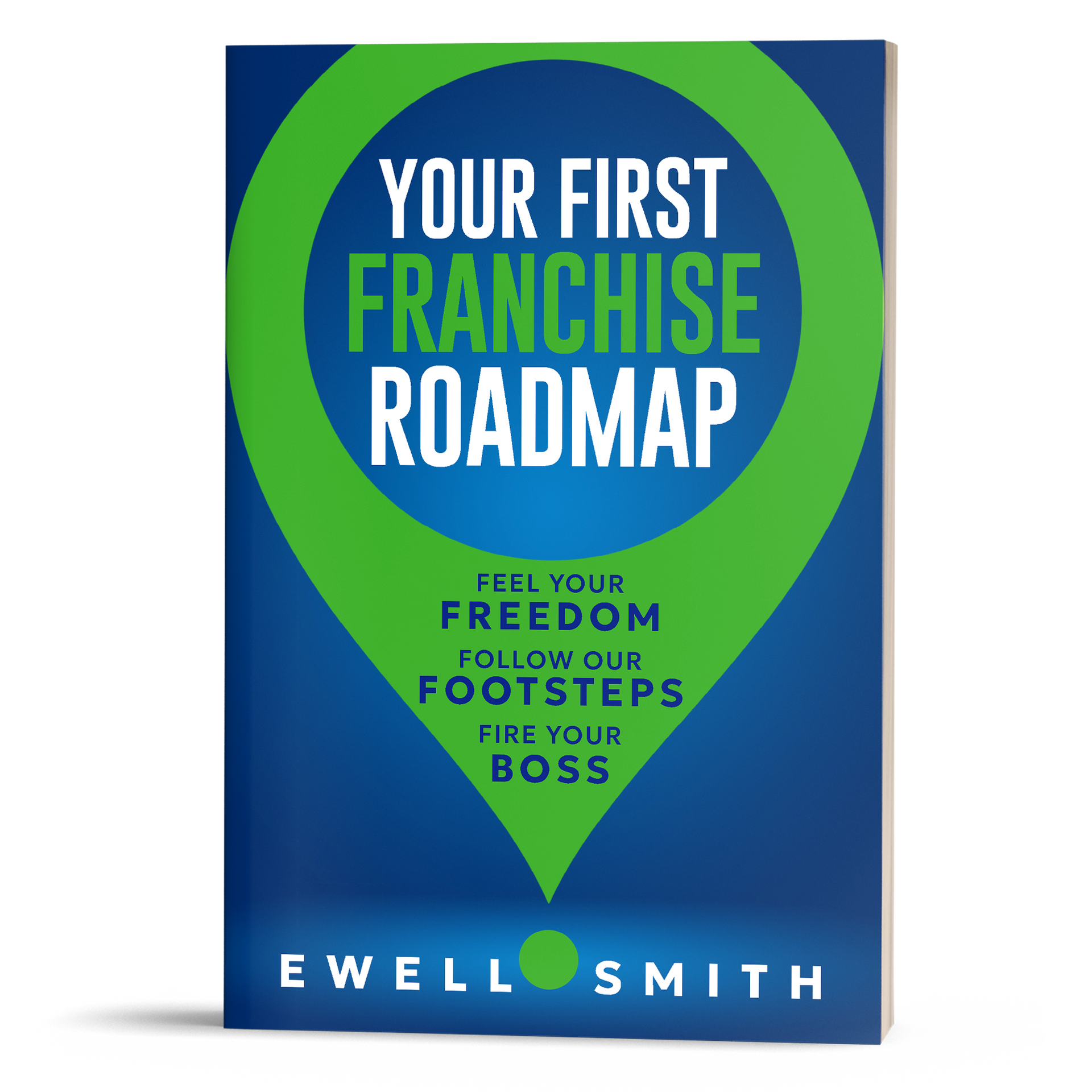
Close The Deal on
Your First Franchise
Claim Your Free Copy

About the Author Ewell Smith is the publisher of CloseTheDeal.com, host of the Close The Deal Podcast, and author of Your First Franchise Roadmap. He interviews franchisors, founders, and sales and marketing leaders to help franchise owners and candidates drive more revenue and find the right opportunity. His work focuses on practical franchise strategy, the right mindset, and helping people close the deal on their next chapter.