By ewell smith
•
April 17, 2026
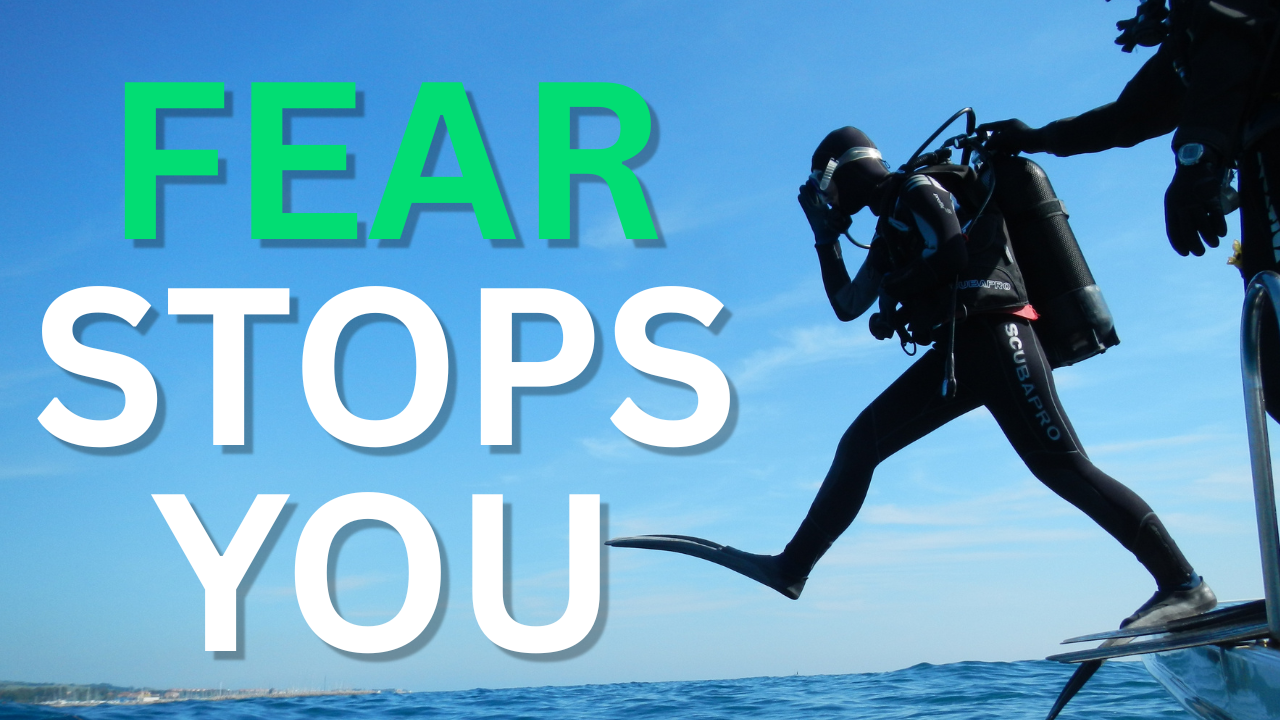
The number one thing I see that kills more deals than anything else isn’t money, timing, or even opportunity. It’s fear. As a franchise consultant, I see it play out every single day. Someone gets close to making a decision. They like the brand, they understand the model, and they can clearly see the path forward. Then something shifts. Doubt creeps in. Questions start stacking up. They begin to wonder if they can really do it, if they’re capable of running the business, or if they’re taking on more risk than they should. From there, hesitation sets in. That hesitation slows momentum, and what started as a strong, forward-moving decision turns into delay. That delay eventually becomes procrastination. And more often than not, that procrastination leads to inaction. The deal never gets done. What’s interesting is that fear rarely shows up as something obvious. It doesn’t announce itself. Instead, it disguises itself as logic. It sounds like someone wanting more time, more information, or more certainty. It shows up as overthinking or the desire to get everything just right before making a move. One of the most common forms of this is perfectionism. People convince themselves they’re being careful or strategic, when in reality they’re avoiding taking action because they don’t want to get it wrong. The truth is, there is no perfect time. There never has been, and there never will be. Waiting for perfect conditions is one of the easiest ways to stay stuck without realizing it. That’s why, once you’ve made a decision that matters, it’s critical to keep moving. Not all at once, and not in a perfect way, but through small, consistent steps that build momentum. That’s what separates people who move forward from those who stay stuck in place. This is also a core theme behind the Close The Deal Podcast. Even high performers, people who are successful in many areas of their lives, still struggle with procrastination. They still find ways to delay decisions or avoid uncomfortable actions. Sometimes the reasons sound legitimate, but more often they’re just well-disguised excuses rooted in fear. The quotes below resonate because they cut through that noise. They don’t just sound good, they point directly at what’s really going on beneath the surface. Let them challenge the way you’re thinking about the thing you’ve been putting off. And when you’re ready to move, there’s a short guide on this page that walks you through simple steps to take immediate action and get started. 11 Quotes That Expose Fear (and Push You to Act) “Procrastination is not a time management problem. It’s an emotion management problem.” - Timothy Pychyl 2. “Do one thing every day that scares you.” - Eleanor Roosevelt 3. “Inaction breeds doubt and fear. Action breeds confidence and courage.” - Dale Carnegie 4.“Fear defeats more people than any other one thing in the world.” - Ralph Waldo Emerson 5. “Action cures fear.” - David J Schwartz 6. “Do the thing you fear, and the death of fear is certain.” - Ralph Waldo Emerson 7. “Everything you’ve ever wanted is on the other side of fear.” - George Addair 8. “Fear is only as deep as the mind allows.” - Japanese proverb 9. “Courage is resistance to fear, mastery of fear—not absence of fear.” - Mark Twain 10. “If you are not willing to risk the usual, you will have to settle for the ordinary.” - Jim Rohn 11. “Do what you can, with what you have, where you are.” - Theodore Roosevelt Close The Deal With Yourself If something came to mind while reading this, that’s probably the thing you’ve been putting off. Not everything, just one decision or action that’s been sitting there longer than it should. You don’t need to solve the whole thing today. Just take the first step. That might be making a call, sending an email, or simply starting the process. Momentum doesn’t come from thinking about it, it comes from doing something, even if it’s small. If you want help getting started, there’s a short guide on this page that breaks down simple steps to take immediate action. It’s designed to help you move past hesitation and actually begin. Because at the end of the day, the goal isn’t to think about it. The goal is to start. FAQ (Fear, Procrastination, and Taking Action)