January 26, 2026 by Ewell Smith
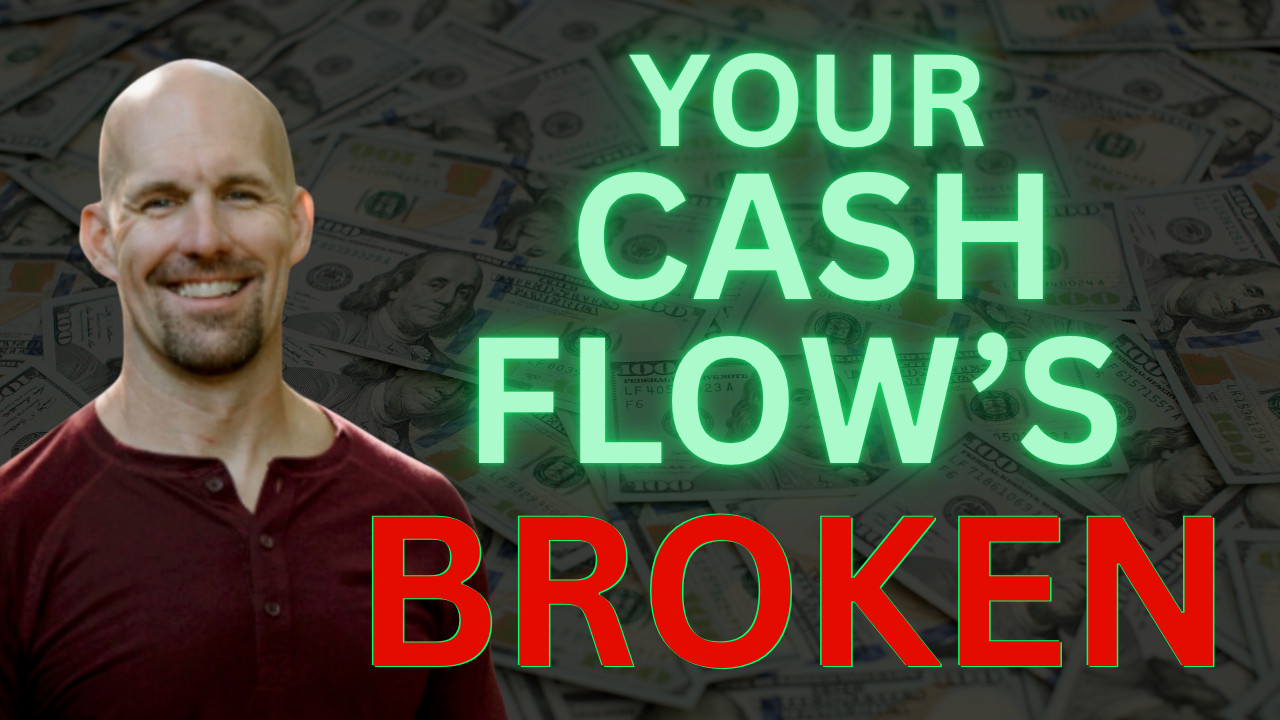
What Most CEOs Get Wrong About LinkedIn - Matt Hunt
This post helps founders and CEOs understand how to turn LinkedIn from a time drain into a predictable demand engine without adding headcount.
What You’ll Learn
• Why CEO visibility has become a revenue lever, not a branding exercise
• How one monthly conversation can fuel an entire LinkedIn strategy
• The content framework that separates noise from demand
• How to measure LinkedIn success without relying on vanity metrics
• Where most founders unintentionally sabotage their own growth
Founders know LinkedIn matters, but most quietly avoid it. Time feels scarce, posting feels awkward, and results feel unclear. In this episode of the Close The Deal Podcast, Ewell Smith sits down with Matt Hunt, CEO of Demandii, to unpack how modern CEOs are creating real demand on LinkedIn in as little as one hour a month and why visibility has become inseparable from growth.
Matt Hunt's Top 9 Close The Deal Mindset Success Quotes:
CEO Visibility and Demand
“Sales fixes all problems in business.”
“Visibility is no longer optional for founders.”
“People buy clarity, not cleverness.”
Content That Actually Works
“Advice repels, experience attracts.”
“Show, don’t tell, especially on LinkedIn.”
“Authority comes from scars, not slogans.”
Measurement and Reality
“Likes are not buyers.”
“Saves and sends are the real signals.”
“Most decision makers never comment publicly.”
If you're finding this helpful, you may enjoy 40 Top Dale Carnegie Quotes
Close The Deal Podcast With Matt Hunt
CEO - Demandii
The Shift From Behind the Scenes to Out Front
For decades, founders were told to stay focused on operations while marketing lived somewhere else in the organization. That model no longer holds. As Matt Hunt explains, the most dangerous thing founders are doing today is staying invisible while expecting sales momentum to magically continue.
In smaller and mid sized companies, the CEO is often the most informed person in the room. They understand the customer, the product, the mistakes, and the lessons learned along the way. Yet many still treat LinkedIn as either a résumé archive or a distraction instead of what it has become: a demand channel.
The shift is not about ego or personal branding for its own sake. It is about multiplying insight. When a founder stays silent, the company loses leverage. When that same founder documents what they already know, the organization gains reach, clarity, and trust at scale.
Why Time Is the Real Constraint
Most founders are not avoiding LinkedIn because they doubt its potential. They avoid it because they believe it requires constant attention. Posting daily, managing comments, writing captions, recording videos, and staying consistent all feel like work piled on top of an already full plate.
Demandii’s model challenges that assumption. One focused conversation per month becomes the raw material for weeks of content. The CEO does not become a full time creator. They become a source.
This reframing matters. LinkedIn stops being a task and becomes an asset creation process. The founder shows up once, speaks naturally about real problems, and the system does the rest.
Authority Is Built Through Experience, Not Advice
One of the most subtle but powerful distinctions Matt makes is between advice and experience. Advice often feels preachy. Experience feels credible.
When founders say, “You should do this,” audiences resist. When they say, “Here is what happened when we faced this,” people lean in. The difference is tone, humility, and trust.
Authority content works when it reflects lived reality. Wins matter, but so do failures. In fact, scars often create more confidence than polished success stories. Buyers want to know their business is not your training ground. They want proof you have been there before.
The Four Content Types Every CEO Needs
To avoid monotony and maximize impact, content must vary. Matt outlines four essential types that together form a complete LinkedIn presence.
- Authority content demonstrates expertise and pattern recognition.
2. Connection content humanizes the founder and shows dimension beyond the role.
3. Engagement content invites dialogue and signals openness.
4. Show content that proves results through demonstration, case studies, or transformation.
Individually, each plays a role. Together, they create credibility. The mistake most founders make is over indexing on one type or posting without intention at all.
Personal Page Versus Company Page Is the Wrong Question
Founders often ask whether they should focus on their personal profile or their company page. The answer is both, but the order matters.
People follow people before they follow logos. Leading from the personal page sets the tone for the organization. It signals permission. When the CEO participates, the rest of the company follows.
Content can be repurposed across both with minimal adjustment. First person language becomes third person. Insight becomes attribution. The message stays intact while the context shifts.
Measuring What Actually Matters
LinkedIn’s most visible metrics are also its least useful. Likes, comments, and follower counts feel good but rarely correlate with revenue, especially in B2B.
Real buyers behave differently. They save posts. They send them internally. They view profiles quietly. They never announce interest publicly.
LinkedIn’s backend data reveals these signals. Profile views from decision makers. Content saves. Post sends. These behaviors indicate resonance long before a conversation begins.
Sales attribution remains imperfect, but patterns emerge. When the right people repeatedly engage in the right ways, demand follows.
Bad Habits That Quietly Kill Results
Many founders sabotage themselves without realizing it. Automated DMs erode trust. Posting and disappearing kills momentum. Overusing generic AI templates strips authenticity.
Another common mistake is connecting with the wrong audience. Growth is not about accumulating contacts. It is about relevance.
Consistency matters, but so does thoughtfulness. A few meaningful comments on the right posts often outperform dozens of shallow interactions.
The Role of Process and Order
Before tactics come assessment. Demandii begins by auditing the entire go to market picture: messaging, sales motion, content readiness, and founder skill gaps.
Without this clarity, execution fragments. The order matters. Big strategic decisions come first. Tactical actions follow.
Matt compares it to filling a jar. Start with the boulders. Then the rocks. Then the sand. Reverse the order and nothing fits.
When LinkedIn Actually Starts Working
LinkedIn demand works when CEOs stop reposting company updates and start sharing lived experience. It works when content becomes helpful instead of promotional.
The platform rewards clarity, consistency, and credibility. Not theatrics.
Founders who commit to this shift find something unexpected. LinkedIn stops feeling like marketing and starts functioning like leverage.
Closing Perspective
The modern CEO is no longer just an operator. They are a signal. What they say, share, and document shapes how the market understands the business.
Visibility is not about being everywhere. It is about being intentional. One hour a month, applied correctly, can outperform entire teams chasing noise.
Subscribe



Laid off?
Not valued?
Ready to exit?
Discovered ageism
is real?
Be The Boss.
Close The Deal on
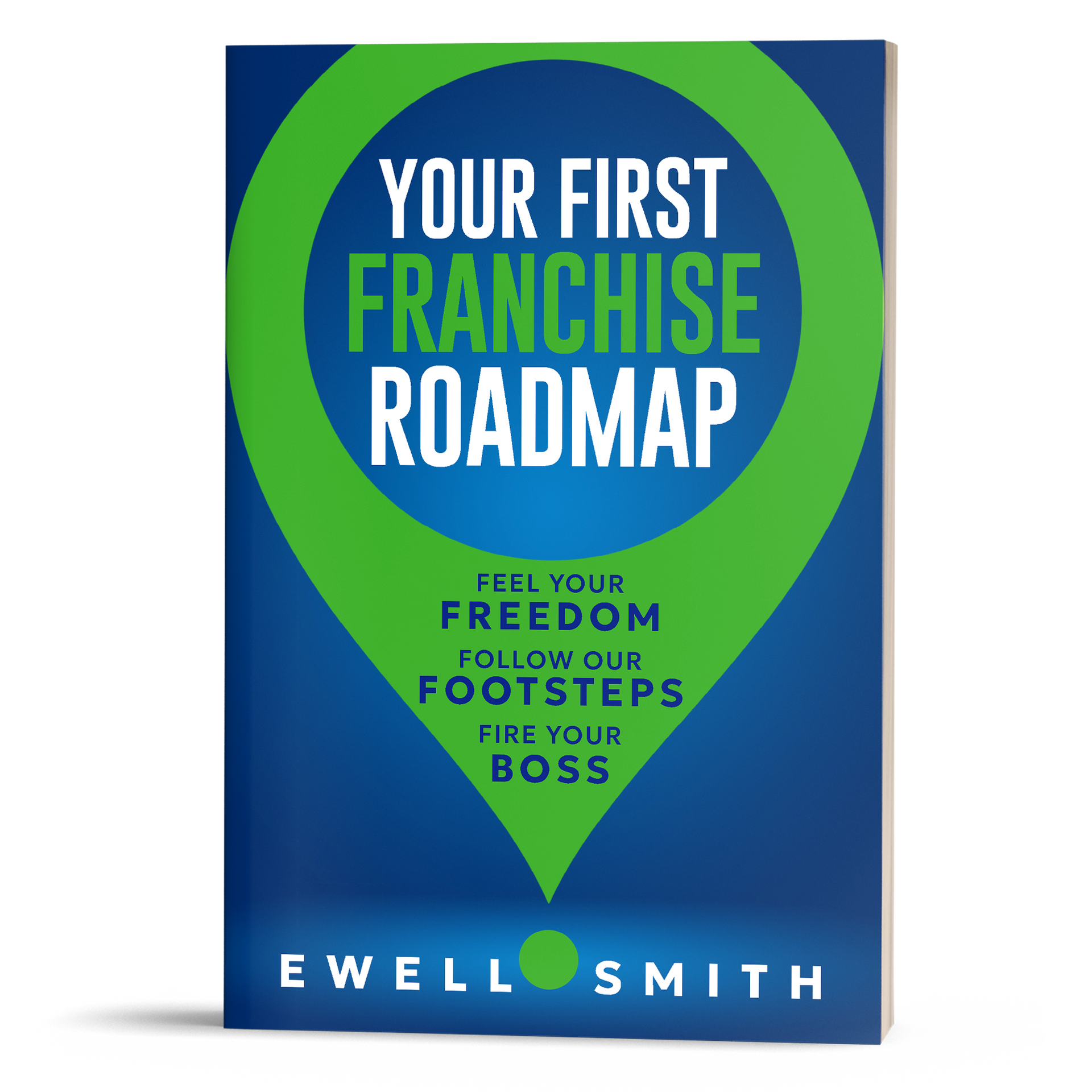
Your First Franchise
Claim Your Free Copy
About the Author Ewell Smith is the publisher of CloseTheDeal.com, host of the Close The Deal Podcast, and author of Your First Franchise Roadmap and Pink Slip Comeback