May 23, 2025 by Ewell Smith
Rachel Wixey demonstrates 3 steps to destress now.
Rachel Wixeys 10 Close The Deal Mindset Success Quotes:
- “People are ready for this. People are ready to feel better.”
- “Safety is more than the removal of threat. It’s a felt experience.”
- “You can’t change what you’re not aware of.”
- “If I waited for my environment to be perfect, I would never practice.”
- “Your body will fight you. It takes resources to build new habits.”
- “Kids don’t just need adults—they need regulated adults.”
- “Practice with a sincere heart—and you've done it right.”
- “Meditation signals to your nervous system: you are safe.”
- “Practice isn’t about perfection—it’s about presence.”
- “The mind will wander—expect it to. That’s not failure, that’s practice.”
Learn more about Rachel Wixey:
Close The Deal Podcast Player:
Close The Deal Podcast With Rachel Wixey
Finding Calm in Chaos: How Meditation Can Rewire Your Stress Response
In a world where stress has become a daily companion—from overloaded parents to overworked professionals—Rachel Wixey offers a powerful solution rooted in neuroscience: meditation for wellness. In this episode of Close the Deal, Rachel joins us to unpack how meditation isn't just for yogis or spiritual seekers—it’s a practical, science-backed method for regulating the nervous system and reclaiming peace.
Let’s break down what we learned in this insightful conversation.
Meet Rachel Wixey: From Staffing Exec to Wellness Leader
Rachel Wixey is the founder of the Wixey Center for Wellness and My Work Well Community, a workplace wellness initiative in Toledo, Ohio. After more than 25 years in the staffing industry—much of it spent placing teachers in schools—she made a bold shift into the wellness space. Her motivation? Years of personal stress, internal judgment, and a nagging realization that there had to be a better way to live and relate to others.
Rachel didn’t just stumble into meditation. She experienced its transformational power firsthand and then committed herself to years of daily practice and formal study in the neuroscience behind it.
What’s Meditation, Really?
Rachel defines meditation not as a spiritual or religious act but as a practice grounded in science and self-awareness. Specifically, she describes it as:
"The awareness that comes from paying attention in the present moment, on purpose, without judgment."
In other words, it’s not about emptying your mind. It’s about noticing your thoughts, emotions, and surroundings—and choosing to anchor your attention instead of reacting to every stimulus.
Why Everyone’s So Stressed
From parents juggling kids and work to business owners making high-stakes decisions, Rachel sees one common thread: everyone is stressed. Layer in a 24/7 news cycle and the lingering effects of the COVID-19 pandemic, and it’s no surprise our nervous systems are overloaded.
Rachel explains that when stress becomes chronic, the body gets “tuned” to operate in a constant state of alert. This fight-or-flight mode floods the body with cortisol and adrenaline, which can lead to inflammation, illness, poor sleep, and even autoimmune responses. In fact, she openly shares how her own autoimmune flare-ups are tied directly to periods of unmanaged stress.
How Meditation Changes the Brain and Body
Meditation works by rewiring your brain’s response to stress. Rachel breaks it down simply:
- When we pause and anchor our awareness—whether through the breath, sound, or body sensation—we shift blood flow to the prefrontal cortex, the area responsible for decision-making and emotional regulation.
- This induces a regulatory effect on the nervous system, signaling safety and reducing the body’s stress hormones.
With consistency, this rewiring builds what Rachel calls a “new baseline”—where peace, not panic, becomes your default state.
A Simple 3-Minute Practice That Works
Rachel guides a live 3-minute meditation during the episode that you can try yourself. It includes:
- Sitting upright but relaxed to signal intention to the body.
- Closing your eyes to reduce stimulation and slow brain waves.
- Focusing on breath or the pressure of your sit bones to anchor attention.
- Noticing when your thoughts wander—and gently bringing focus back.
The goal isn’t to stop thoughts. It’s to become aware of them without judgment and to train the mind to come back to the present moment.
Rachel emphasizes, “If you just follow the prompts with sincerity, you’ve done it right.”
Common Myths That Hold People Back
Rachel hears this all the time: “I can’t meditate. My mind is too busy.” Her response is refreshingly honest:
“Respectfully, that’s all of us. We all have busy minds. It’s the nature of being human.”
Here are a few other misconceptions she debunks:
- “I don’t have time.” Just 3 to 5 minutes a day is enough to begin.
- “I need perfect silence.” Nope. Use your environment as part of your practice.
- “I need to do it perfectly.” Meditation is a skill, not a performance.
Tips for Getting Started with Meditation
Rachel offers several key tips for beginners:
- Dedicate time daily. Mornings are best because the mind is most open to change.
- Start small. Aim for just 3–5 minutes.
- Create a safe space. Find a quiet place where you feel grounded.
- Choose an anchor. Breath, sound, or body sensations are great starting points.
- Expect resistance. Your mind and body will try to distract you—push through it.
- Let go of perfection. Some days will be better than others. Keep showing up.
Supporting Schools, Workplaces, and Families
Rachel’s work extends far beyond individual coaching. Through My Work Well Community, she delivers wellness training in:
- Schools — where she's certified to teach mindfulness curriculum to kids as young as four.
- Businesses — offering secular, science-based sessions that help employees manage workplace stress and prevent burnout.
- Families — helping parents model emotional regulation for their children.
She also partners with other wellness professionals who focus on nutrition, hormones, movement, and resilience—creating a holistic wellness ecosystem.
Stress and Autoimmune Disorders: A Personal Connection
Ewell shared that his wife lives with Sjogren’s Syndrome, an autoimmune condition triggered by stress. Rachel resonated deeply, revealing her own long history of autoimmune flare-ups whenever she neglected her mental or lifestyle health.
She explained that autoimmune responses are often the body’s way of sounding the alarm—and meditation is one way to switch off that internal siren and reset the body’s systems.
The Hidden Danger of Adrenaline Addiction
One fascinating insight from this episode: people can become addicted to stress. Rachel described how the brain can rewire itself to seek out adrenaline as a normal state—especially after prolonged crisis (like Hurricane Katrina, in Ewell’s case).
The result? Even moments of calm feel uncomfortable, and we subconsciously seek out chaos to feel "normal."
Meditation disrupts that pattern. It teaches the brain and body that safety can feel familiar too.
Put Down the Phone (Seriously)
Ewell highlighted another modern-day obstacle to calm: the smartphone. Whether it’s doomscrolling, nonstop notifications, or using screens to avoid boredom, phones can hijack your nervous system.
Rachel's advice? Step away. Even something as simple as eating alone without a phone can be an exercise in presence and regulation.
Final Takeaway: This Is a Skill Anyone Can Learn
Rachel’s message is clear: Meditation is not a luxury—it’s a life skill. With just a few minutes a day, you can begin to rewire your stress response, regulate your nervous system, and improve nearly every aspect of your well-being.
And the best part? You don’t have to be perfect. You just have to be intentional.
Subscribe



Laid off?
Not valued?
Ready to exit?
Discovered ageism
is real?
Be The Boss.
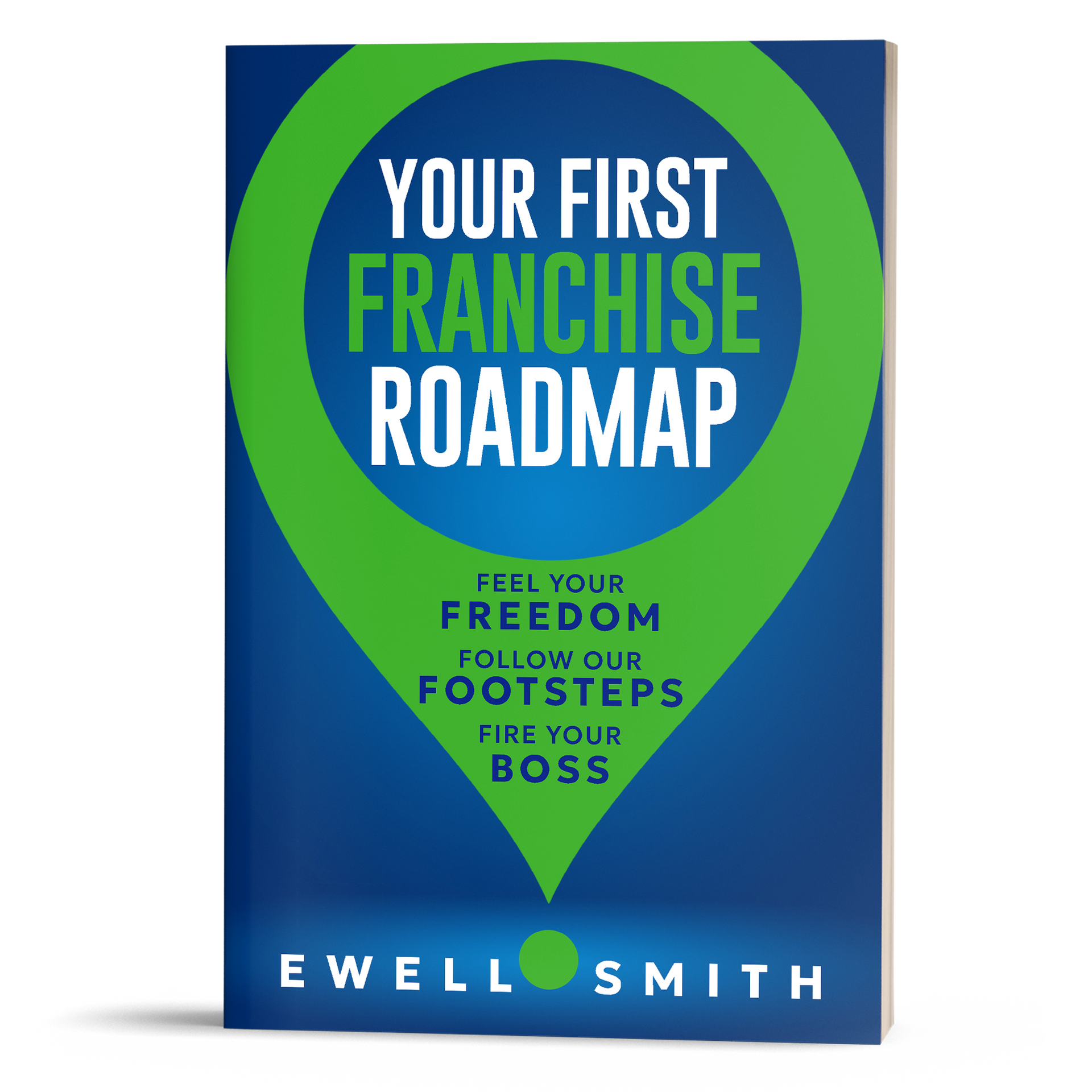
Close The Deal on
Your First Franchise
Claim Your Free Copy

About the Author Ewell Smith is the publisher of CloseTheDeal.com, host of the Close The Deal Podcast, and author of Your First Franchise Roadmap and Pink Slip Comeback